Guide to Selecting Steel Plates for Construction Projects
Choosing the right steel plate for construction isn’t just about strength. It’s about making sure the material actually works in real site conditions load, weather, welding, fabrication, and long term durability all come into play.
A plate that looks good on paper can fail on-site if the grade, thickness, or type isn’t aligned with the job. That’s where most buyers go wrong if they focus only on price or availability, not application.
If you're working on buildings, bridges, heavy structures, or industrial construction, this guide will help you make a practical, experience-based decision.
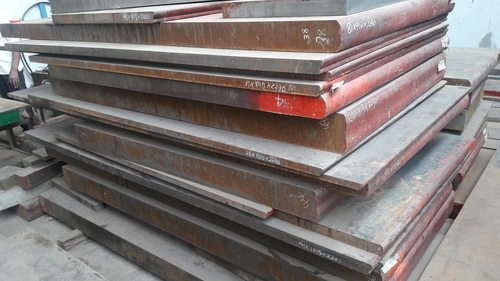
What Are Steel Plates and Why They Matter in Construction?
Steel plates are flat, heavy duty steel products used to carry loads, support structures, and handle stress in construction projects. From base plates in buildings to structural frameworks and heavy equipment support, they form the backbone of most infrastructure work.
In construction, steel plates are expected to do three things reliably:
- They must carry load without deforming
- They must weld easily without cracking
- They must last long even in rough environments
That’s why choosing the right plate is not optional it directly affects safety, cost, and performance.
What Grade of Steel Plate is Used in Construction Industry?
Common grades used in construction include:
- IS 2062 E250 / E350 Plates (India)
- ASTM A36 / A572 Plates in Construction Industry (USA)
- EN 10025 S275 / S355 (Europe)
These grades are selected based on strength, weldability, and project requirements.
Where Steel Plates Are Used in Construction Industry
In real-world construction projects, steel plates are used almost everywhere. You’ll see them in building columns, bridge decks, industrial sheds, and even underground structures.
For example, mild steel plates are widely used in general fabrication and structural frames. On the other hand, high strength structural steel plates are preferred when weight reduction is needed without compromising load capacity like in high-rise buildings or large-span structures.
In projects exposed to heat or pressure like boilers or industrial plants pressure vessel steel plates and 16Mo3 steel plates are commonly used. And when structures face heavy wear, like in mining or material handling setups, wear resistant steel plates and abrasion resistant steel plates become essential.
Best Steel Plates for Construction Industry
Best Steel Plates for Construction
| Application | Best Steel Plate Type |
|---|---|
| General Construction | Mild Steel Plates |
| Coastal / Corrosion Area | Stainless Steel Plates |
| Heavy Load Structures | High Strength Structural Steel Plates |
| High Temperature Projects | Chrome Moly / 16Mo3 Steel Plates |
| Pressure Equipment | Pressure Vessel Steel Plates |
| High Wear Areas | Wear Resistant / Abrasion Resistant Steel Plates |
Understanding Different Types of Steel Plates for Construction
Stainless Steel Plates in Construction Industry
Stainless steel plates are chosen when corrosion is a major concern. Coastal projects, chemical plants, and water exposed structures rely on these because they resist rust naturally. They cost more, but in the long run, they reduce maintenance headaches.
Stainless Steel Plates in construction industry uses grades like 304, 316, 310S, 321, and 904L stainless steel plates in India are preferred for construction projects requiring high performance and low maintenance.
Mild Steel Plates in Construction Industry
Mild steel plates are the most commonly used in construction. They are easy to cut, weld, and shape, making them ideal for general structural work. If your project doesn’t involve extreme conditions, this is usually the starting point.
Mild Steel Plates in construction industry uses grades like IS 2062 E250, E350, E410, E450, A36, and S355 J2 mild steel plates are preferred for construction applications requiring durability and reliable load-bearing capacity.
Pressure Vessel Steel Plates in Construction Industry
These plates are designed to handle pressure and high temperatures. In construction projects involving boilers, tanks, or process equipment, these are non-negotiable.
Pressure Vessel Steel Plates in construction industry deliver in India for reliable performance under extreme pressure and temperature conditions. From Carbon Steel SA 516 Grade 60, 65, 70 Plates to SA537 Class 1 and Class 2 Steel Plates grade is selected for strength, durability, and critical load applications.
Chrome Moly & 16Mo3 Steel Plates in Construction Industry
When heat resistance is critical, these plates are used. Power plants, refineries, and industrial construction projects depend on them because they maintain strength even at high temperatures.
Chrome Moly Plates for construction industry in India deliver excellent performance under extreme heat and pressure conditions. From ASTM A387 Grade 11, 12, 22 Plates to 16Mo3 Plates and A204 Grade B Plates, each grade is selected for thermal stability, durability, and heavy duty applications.
High Strength Structural Steel Plates in Construction Industry
These plates are used when you need more strength with less weight. They are common in bridges, high-rise buildings, and heavy structural frameworks.
High Strength Structural Steel Plates in construction industry are widely used for heavy load bearing applications requiring superior strength and reduced weight. Grades like TISCRAL 200 BHN Steel Plates, SAILHARD Plates, UTTAM HARD Plates, JSPL HARD Plates, S690QL, and S700MC Steel Plates are preferred for construction projects demanding high performance and durability.
Wear Resistant & Abrasion Resistant Steel Plates in Construction Industry
These plates are built for harsh environments. If your construction project involves heavy movement, friction, or impact like earthmoving or mining structures these plates increase lifespan significantly.
Wear Resistance and Abrasion Resistant Steel Plates for construction industry in India grades like Abrex 400, Abrex 450, Abrex 500 Plates and abrasion resistant plates such as ROCKSTAR 400, 450, 500 and ROCKHARD 400, 450 Plates are preferred for construction projects involving heavy wear conditions.
Key Factors to Consider Before Choosing Steel Plates for Construction
1. Load and Strength Requirement
Start with how much load the structure will carry. If the load is high, go for high strength structural plates instead of increasing thickness unnecessarily.
2. Environmental Conditions
If the project is near coastal areas or chemical zones, corrosion-resistant plates like stainless steel become important.
3. Thickness Selection
Thickness affects both strength and fabrication. Thicker isn’t always better it increases weight, welding cost, and handling difficulty. Always match thickness with structural design.
4. Weldability and Fabrication
Some plates require special welding procedures. Mild steel is easy to work with, while alloy and high-strength plates need controlled welding conditions.
5. Temperature and Pressure Conditions
For projects involving heat or pressure, standard structural plates won’t work. You’ll need pressure vessel or alloy grades like Chrome Moly or 16Mo3.
How to Select the Right Steel Plate Grade for Construction Industry
Choosing the grade depends on application not guesswork.
For general construction, mild steel grades are enough. For heavy load structures, high tensile grades perform better. If your project includes pressure systems, pressure vessel grades are required.
The smartest approach is to match:
- Application
- Environment
- Load
- Fabrication needs
- Then finalize grade
This avoids over-specifying (wasting money) or under-specifying (risking failure).
Thickness and Size Selection in Construction Projects
Most construction projects use steel plates between 6 mm to 100 mm depending on design.
Large infrastructure like bridges may require thicker plates, while fabrication structures often use medium thickness. Width and length should be chosen to reduce welding joints fewer joints mean stronger and faster construction.
Which Steel Plate Should You Use for Construction?
Use this rule:
- Use Mild Steel Plates for construction structures where fabrication and cost matter
- Use High Strength Structural Steel Plates for heavy load construction projects
- Use Stainless Steel Plates for construction in corrosion-prone environments
- Use Pressure Vessel Steel Plates for industrial construction systems
- Use Chrome Moly & 16Mo3 Plates for high temperature construction applications
- Use Wear Resistant Steel Plates for construction involving heavy impact or friction
Common Mistakes Buyers Make While Selecting Steel Plates
One common mistake is choosing plates based only on price. Cheap material often leads to higher fabrication cost or early failure.
Another issue is ignoring test certificates. Without proper certification, you cannot verify strength or composition.
Some buyers also over-specify choosing expensive grades where simple mild steel would work. This increases project cost without adding real value.
Why Choose AM Industries Steel Plates for Construction Industry?
When it comes to construction projects, supply reliability matters as much as material quality.
AM Industries focuses on supplying the right grade its not just what is available in stock. Whether its mild steel plates for structural work or high strength plates for heavy construction, every requirement is matched with proper certification and readiness for fabrication.
With ready stock, fast delivery, and support for cutting and customization, the goal is simple so reduce your project delays and avoid material related issues on site.
To choose the right steel plate for construction industry:
- Identify load requirements (light, medium, heavy)
- Select plate type (mild steel, stainless steel, high strength, etc.)
- Match grade with application (IS 2062, S355, etc.)
- Choose correct thickness based on structural design
- Check environment (corrosion, heat, wear)
- Ensure weldability and fabrication suitability
- Verify certifications (MTC, standards)
Worldwide Suppliers
-
 India
India  United States
 Saudi Arabia
 Kuwait
 Singapore
 Malaysia
 UAE
UAE Germany
 Italy
Italy China
China UK
UK Canada
 Iran
Iran Thailand
 South Korea
 Turkey
 Morocco
 Costa Rica
 Kazakhstan
 Philippines
 Egypt
Egypt Japan
Japan Russia
 Vietnam
 Australia
 Qatar
Qatar South Africa
 Portugal
 Oman
Oman Jordan
 Spain
Spain Hong Kong
 Netherlands
 Indonesia
 Mexico
 Brazil
 France
 Taiwan
 Nigeria
 Bangladesh
 Iraq
Iraq Ukraine
 Poland
 Romania
 Cyprus
 Angola
 Colombia
 Norway
 Chile
Chile Tobago
 Greece
 Czechia
 Belgium
 Sri Lanka
 Myanmar
 Venezuela
Get A Quote